

Reclaiming the Identity of Interior Design
Interior design is a specialized and multifaceted discipline that significantly enhances the quality of people’s lives through the creation of thoughtfully designed spaces. However, the profession is often misunderstood by the public, who tend to confuse it with decorating and perceive it as a superficial, easy, and amateur occupation. As a result, practitioners frequently find themselves in the frustrating position of having to justify their knowledge, skills, and the value they add within the built environment, along with explaining their fees.
Understanding the Root Causes of Misconception
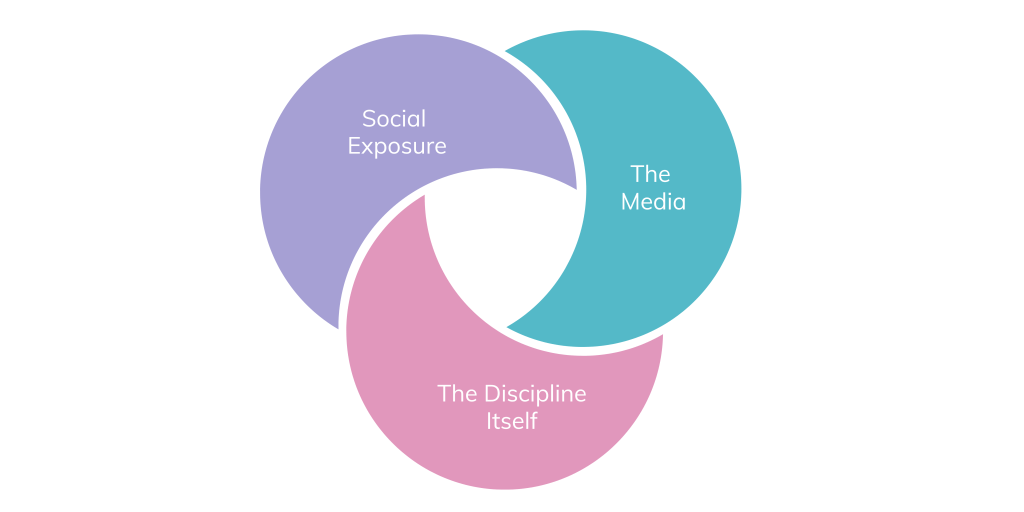
Research indicates that the unfavorable public perception of interior design can be attributed to three main factors:
Lack of Social Exposure
Most people do not hire interior designers, viewing it as a luxury service only accessible to the wealthy. This limited exposure means that the public often misunderstands what interior designers actually do, leading them to confuse the discipline with decorating—a field they are more familiar with.
Media Influence
Social media plays a substantial role in shaping public perceptions of various professions. Unfortunately, the rise of celebrities and influencers who believe they have a “knack” for interior design has led to a misguided portrayal of the field. This influence has caused many to perceive that “anyone can be an interior designer,” further diluting the profession’s perceived value.
The Discipline Itself
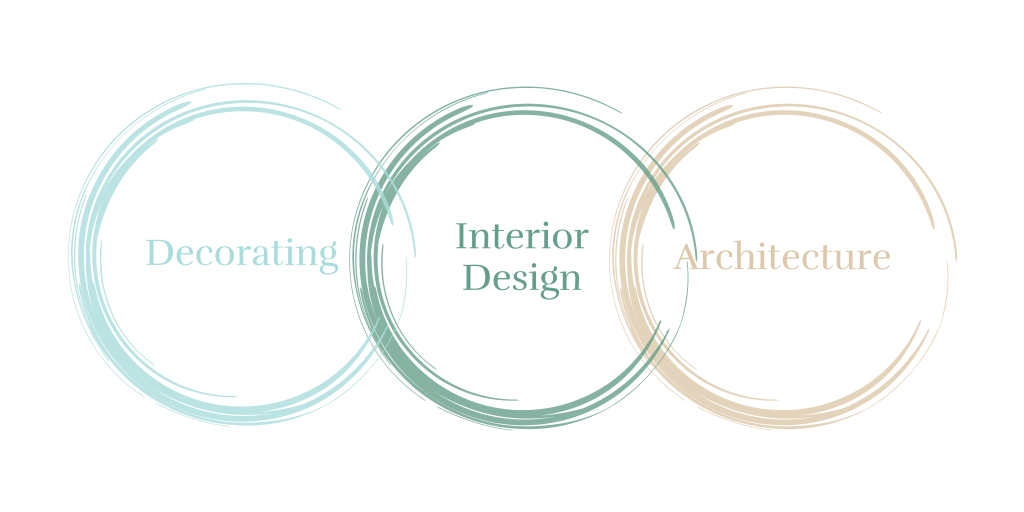
Interior design frequently overlaps with both decorating and architecture, leading to confusion about the distinct roles each discipline plays within the built environment. This overlap can also result in tension between the fields, as professionals from each discipline may feel that their toes are being stepped on.
Steps to Remedy the Situation
Thankfully, there are actionable steps that can be taken to address these misconceptions and strengthen the professional identity of interior design:
Raising Awareness
The first step is to critically examine interior design’s public image and occupational stereotypes. Interior designers must unite to communicate a clear and consistent message to the public: interior designers are highly skilled and trained professionals whose work significantly contributes to the built environment.
Upskilling Students and Professionals
The INGROUP is committed to bridging the gap between theory and practice by providing interior design students and professionals with practical business skills. This effort will help to elevate the profession by ensuring that practitioners are not only creatively skilled but also business-savvy.
Collaborating with Professional Organizations
The INGROUP aims to work closely with interior design organizations and professional bodies, both locally and internationally, to unify practitioners and institutions. Together, they can effectively communicate the true value and professional nature of interior design.
Achieving Clear Distinction
It is crucial for interior design to establish a clear distinction between its practice and that of architecture and decorating. This distinction will improve public understanding and ensure a harmonious, collaborative working relationship between the three fields.
Leveraging Media Influence
Given the media’s significant role in shaping public perceptions, interior designers must actively engage with media outlets to correct the narrative. The INGROUP, in collaboration with professional organizations, will work to harness the media’s influence to broadcast interior design’s professional message to a broader audience.

Taking Control of the Narrative
Interior designers must take control of their narrative and improve daily exchanges with the general public, the media, and other professionals. By doing so, they can help to redefine the profession’s identity and ensure that its true value is recognized and respected.
Join the INGROUP by subscribing to our blogs and following this investigative journey to finally create a definitive professional identity for interior design. Together, we can elevate the profession and ensure that it receives the recognition it deserves.
References:
Acorn, S., Ratner, P. A. and Crawford, M. 1997. Decentralization as a determinant of autonomy, job satisfaction, and organizational commitment among nurse managers. Nursing Research, 46: 52-58.
Brouard, F., Bujaki, M., Durocher, S. and Neilson, L. C. 2016. Professional accountants’ identity formation: an integrative framework. J Bus Ethics, 142: 225–238.
Clucas, C. 2020. Understanding self-respect and its relationship to self-esteem. Personality and Social Psychology Bulletin. 46(6): 839–855
Jones, J. 2023. Exploring Professionalisation’s Ability to Resolve Interior Design’s Identity and Practice Frictions in South Africa. MTech. Durban University of Technology.
Karanikola, M., Doulougeri, K., Koutrouba, A., Giannakopoulou, M. and Papathanassoglou, E. D. E. 2018. A phenomenological investigation of the interplay among professional worth appraisal, self-esteem and self-perception in nurses: the revelation of an internal and external criteria system. Frontiers in Psychology, 9(1805):1-12.
Martin, C. S. 1998. Professionalisation: Architecture, interior decoration and interior design as defined by Abbott. Master of Arts. University of Minnesota College of Design.
Stets, J. E. and Burke, P. J. 2000. Identity theory and social identity theory. Social Psychology Quarterly, 63(3): 224-237. Stets, J. E. and Burke, P. J. 2014. Self-esteem and identities. Sociological Perspectives, 57(4) 409– 433
Tajfel, H. and Turner, J. C. 2004. The social identity theory of intergroup behaviour. Political Psychology, January: 276 – 293
Ten Hoeve, Y., Jansen, G. and Roodbol, P. 2013. The nursing profession: public image, self-concept and professional identity: a discussion paper. The Journal of Advanced Nursing (JAN): Discussion Paper, 295-309
Ulfsdotter Eriksson, Y. and Linde, M. 2014. “Being” or “doing” a profession: work as a matter of social identity. The International Journal of Interdisciplinary Cultural Studies, 8(1): 33-43.
 The True Profession of Interior Design
Leave a comment