
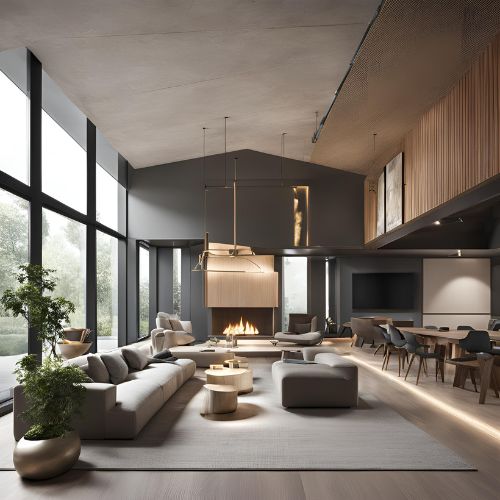
In the world of design, the seamless collaboration between architects and interior designers is not just beneficial—it’s essential for creating truly remarkable spaces. Whether working on residential, commercial, or office projects, these two disciplines can achieve extraordinary results by leveraging each other’s strengths. Here’s how this dynamic partnership unfolds and why it’s crucial for professionals in both fields to embrace the collaborative process.
Conceptual Harmony: Bridging Structure and Interior Artistry
Collaboration begins at the conceptual stage, where architects and interior designers come together to align structural vision with interior aesthetics. Architects craft the building’s overall structure, layout, and external aesthetics, setting the foundational tone. Interior designers, on the other hand, focus on the human experience within these spaces, ensuring that the interior environment is both functional and reflective of the client’s personality. This partnership ensures that the design narrative is cohesive, balancing architectural integrity with personalized interior touches.
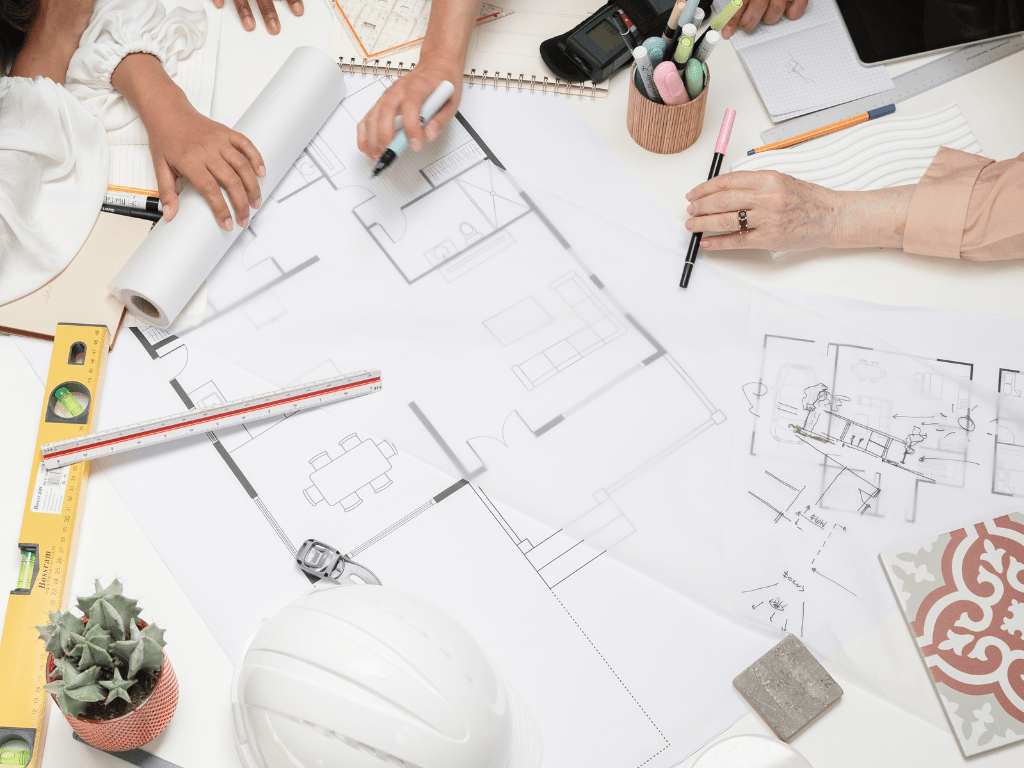
Spatial Planning: Optimizing Space with Expertise
Spatial planning is a critical area where architects and interior designers can synergize effectively. Architects provide the blueprint for the building’s structure, defining floor plans and structural elements. Interior designers then refine these spaces, optimizing them for functionality, flow, and user experience. Together, they consider traffic patterns, spatial relationships, and usability, crafting environments that are not only aesthetically pleasing but also practical. This collaborative effort maximizes the potential of each space, ensuring that it meets specific functional and aesthetic goals.
Harmonizing Design Elements: Creating a Unified Vision
A successful project is marked by the seamless integration of design elements, and this is where the collaboration between architects and interior designers truly shines. From the selection of materials and finishes to the curation of color palettes and lighting, every detail is thoughtfully coordinated. Architects establish the structural and aesthetic framework, while interior designers infuse the space with texture, warmth, and personality. This partnership results in spaces that are cohesive, visually stunning, and perfectly suited to their intended use.
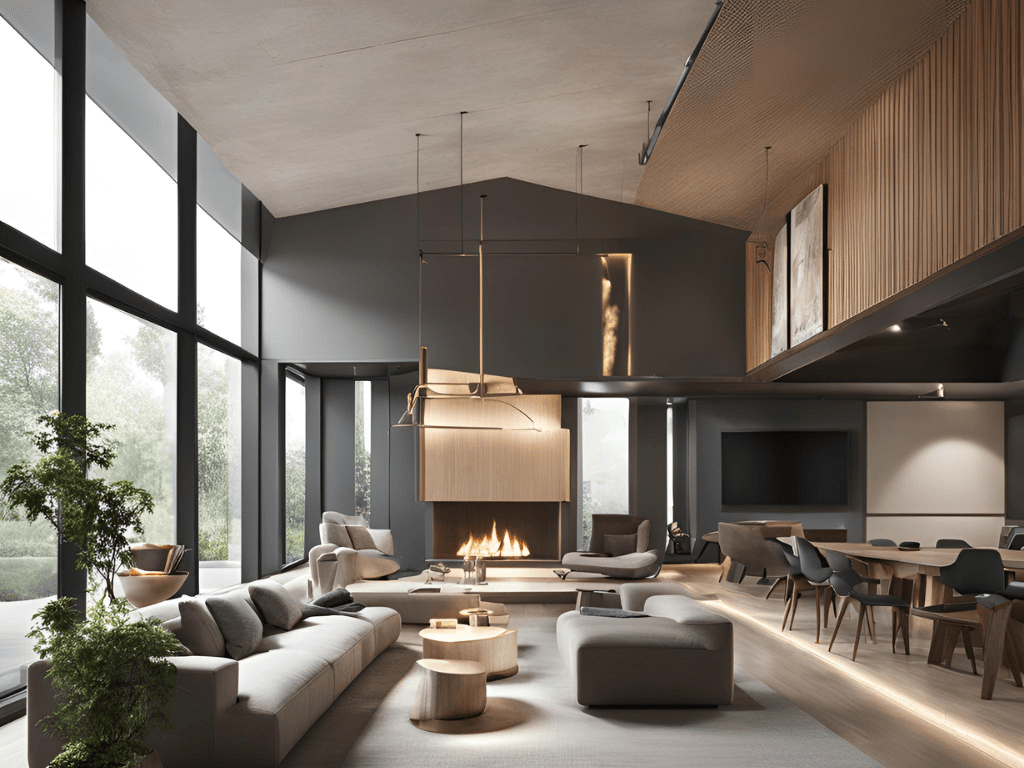
Integration of Technology and Innovation: Pushing Boundaries
In today’s design landscape, the integration of technology is vital. Architects and interior designers collaborate to incorporate cutting-edge technologies and sustainable practices into their projects. Architects focus on the building’s infrastructure, implementing energy-efficient systems and advanced construction techniques. Interior designers complement these efforts by integrating smart home technologies, innovative materials, and advanced lighting solutions. This collaborative approach ensures that the final design is not only beautiful but also technologically advanced and sustainable.
Client-Centered Approach: Tailoring to Unique Needs
Both architects and interior designers prioritize a client-centered approach, placing the client’s needs and preferences at the forefront of the design process. Through detailed consultations, they gather insights into the client’s lifestyle, tastes, and functional requirements. This collaborative dialogue ensures that the final design is a true reflection of the client’s vision, enhancing their daily experience. The ongoing communication between the two disciplines throughout the project ensures that every decision aligns with the client’s goals.
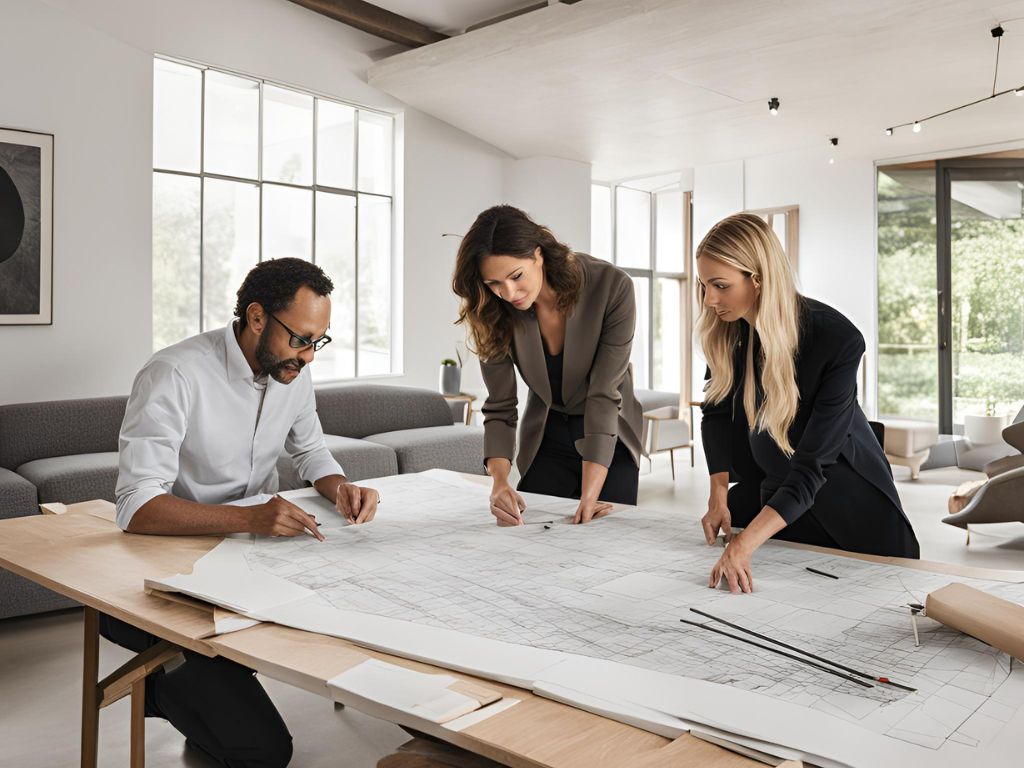
Seamless Project Management: From Vision to Reality
Effective project management is key to the successful realization of a design project. Architects and interior designers work in tandem to coordinate timelines, budgets, and milestones, ensuring a smooth transition from concept to completion. Architects oversee the construction phase, ensuring structural integrity and managing coordination with contractors and engineers. Interior designers handle the selection and procurement of furnishings, oversee installations, and ensure that the interior design aligns with the overall vision. This division of responsibilities allows for a streamlined process and a cohesive end result.
Enhancing User Experience: The Ultimate Goal
The ultimate goal of this collaborative effort is to create environments that enhance the user experience. By combining the architectural prowess of architects with the aesthetic and functional expertise of interior designers, the spaces created are not only practical and functional but also inspiring and emotionally resonant. Whether it’s a welcoming home, a productive workspace, or an inviting commercial venue, this collaboration ensures that every aspect of the design contributes to the user’s comfort, well-being, and enjoyment.
Continuous Innovation and Adaptation: Embracing Change
The fields of architecture and interior design are continually evolving. By staying abreast of the latest trends, innovations, and technological advancements, architects and interior designers can deliver spaces that are timeless yet forward-thinking. This commitment to continuous learning and adaptation ensures that projects remain relevant, impactful, and inspiring for years to come.
Conclusion
The partnership between architects and interior designers is a powerful alliance that brings together creativity, expertise, and a shared vision. By embracing collaboration, these professionals can achieve extraordinary results, crafting spaces that are as functional as they are beautiful. The synergy between these two disciplines not only enhances the design process but also elevates the final outcome, creating environments that inspire admiration and enrich the lives of those who inhabit them.
When architects and interior designers come together, they ensure that the best designs are not just realized but are celebrated through their collaboration. This unified approach not only transforms spaces but also inspires a new standard of excellence in the design world. Together, they create a legacy of innovation and beauty that resonates with clients and endures through time.
 The True Profession of Interior Design
Leave a comment