

Lessons from Canada, the USA, Britain, and Australia
As an advocate for elevating the interior design profession in South Africa, I continue to explore professionalization as a means of enhancing the discipline’s credibility, protecting public interests, and empowering designers to achieve their full potential.
I have discovered that the journey to professionalize the field of interior design has been a long and varied one across different countries. While some have achieved significant milestones, others continue to face challenges in securing recognition and protection for the profession. In this blog, we’ll explore the outcomes of the pursuit of professional status in Canada, the USA, Britain, and Australia, and what these developments mean for the future of interior design as a recognized and respected discipline.
Understanding Professionalization in Interior Design
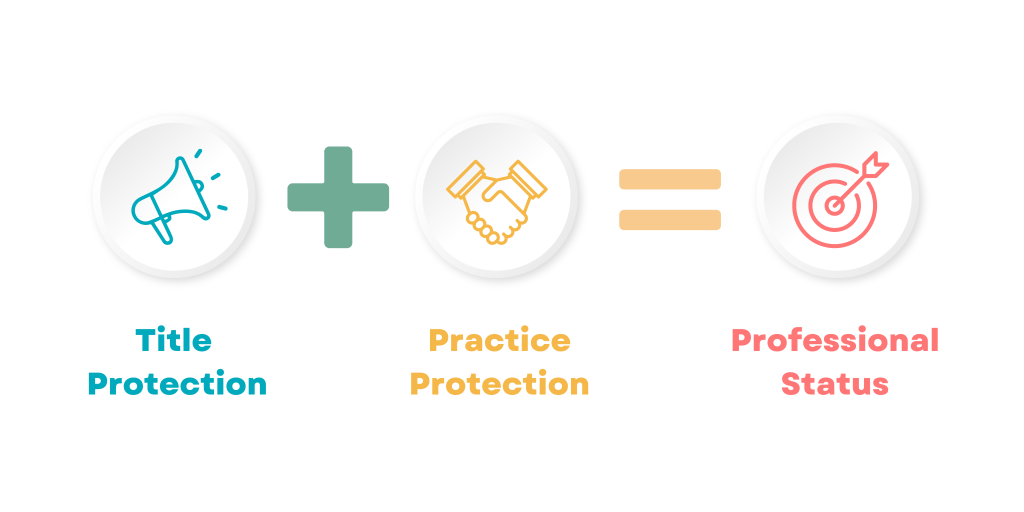
Professionalization of interior design, or in fact any discipline, typically involves two key forms of protection: title protection and practice protection.
- Title Protection: This ensures that only individuals who are licensed or certified by a statutory organization can use the title “interior designer.” However, anyone can still practice interior design without using the protected title.
- Practice Protection: This requires individuals to be licensed with a statutory organization in order to practice interior design, but the title itself may remain unprotected, allowing anyone to call themselves an interior designer.
- Full Professionalization: Where both the title and practice are legally protected the highest level of professionalization has been realized. This means that only licensed individuals can practice interior design and use the title.
With this framework in mind, let’s examine how Canada, the USA, Britain, and Australia have approached the professionalization of interior design.
Britain: A Long Road to Recognition

Britain’s journey towards the professionalization of interior design has been marked by significant milestones but also ongoing challenges. The Society of Industrial Artists (SIA), founded in 1930, played a key role in advocating for design as a profession. Over the years, the organization evolved into the Chartered Society of Designers (CSD), receiving a Royal Charter in 1976 for its work in establishing the profession of design. In 2009, the British Interior Design Association (BIDA) achieved institute status, becoming the British Institute of Interior Design (BIID).
Despite the recognition that these organizations have achieved, interior design in the UK remains unregulated, and the practice and the title “interior designer” are not protected. This means that anyone can call themselves an interior designer, which poses challenges for the profession in terms of public perception and professional identity.
Australia: The Ongoing Quest for Professional Identity

Australia’s pursuit of professional status for interior design has been a complex and ongoing process. The Design Institute of Australia (DIA) and the Society of Interior Designers of Australia (SIDA) have worked to improve the profession’s standards and image. However, as in Britain, interior design is not legally recognized as a profession in Australia, and the title “interior designer” is not protected.
As a result, anyone can practice interior design in Australia, regardless of their qualifications or membership in a professional body. This lack of regulation has led to a diluted public perception of the profession, often associating it more with decoration than with design. Scholars agree that the pursuit of a professional identity remains vital for the discipline in Australia.
The USA: Varied Approaches to Professionalization

In the USA, the pursuit of professional status has been marked by a patchwork of regulations that vary from state to state. According to my research the American Society of Interior Designers (ASID) and other organizations have played a crucial role in developing educational programs and criteria for competency. However, the level of professionalization differs significantly across the United States:
- Some states have implemented title acts, protecting the use of the title “interior designer” but allowing unlicensed individuals to practice.
- Fewer states have enacted practice acts, which require individuals to be licensed in order to practice interior design.
- In states like Colorado, permitting statutes have been granted which means that there is no state board or title act, but interior designers who meet certain requirements can submit plans for building permits under architectural statutes.
The variation in legislation has led to differing outcomes. For example, in Washington, D.C., the passage of a practice act has led to increased respect and recognition for the profession. In contrast, states like Ohio, where efforts to pass licensing legislation have failed, see interior designers struggling to maintain their professional identity.
Canada: Achieving Title and Practice Protection

Similarly, Canada’s professional regulations vary between the different regions, yet Nova Scotia and Saskatchewan have successfully implemented title acts, thus the title “interior designer” is protected. However, Nova Scotia has also managed to implement a practice act, meaning that only licensed professionals can practice interior design. Impressively, Nova Scotia’s dual protection ensures that the public is served by qualified professionals who meet rigorous standards, thereby enhancing the credibility and status of the profession.
The impact of these acts is profound. By safeguarding both the title and practice the interior design profession in Nova Scotia has been elevated to a level on par with other established professions such as architecture and engineering. This not only protects the public but, as expressed in my previous blogs, also boosts the self-esteem and professional identity of interior designers in this region.
Conclusion: The Impact of Professionalization on Interior Design
The pursuit of professional status for interior design has yielded varying outcomes across Canada, the USA, Britain, and Australia. While Canada has achieved significant success in protecting both the title and practice, other countries continue to face challenges in securing full professional recognition.
The case studies from these countries offer valuable insights into the importance of professionalization for the interior design discipline, and the difficulty in achieving both title and practice protection. As the South African interior design profession continues to evolve, the experiences of these other countries can inform ongoing efforts to achieve greater recognition, respect, and protection for interior designers both locally and internationally.
For all interior designers, the quest for professional status is not just about legal recognition; it is about ensuring that the public understands and values the expertise, creativity, and impact that interior designers bring to their work. Thus, it can be argued that, by achieving full professionalization, the interior design discipline can continue to grow and thrive, ultimately benefiting both practitioners and the clients they serve.
 The True Profession of Interior Design
Leave a comment