
Cash flow is the lifeblood of any business, and interior design is no exception. Many talented designers struggle not because of a lack of clients or creativity but due to poor financial management. Without a clear understanding of cash flow, an interior design business can quickly run into trouble—leading to delayed projects, unpaid suppliers, and even financial failure.
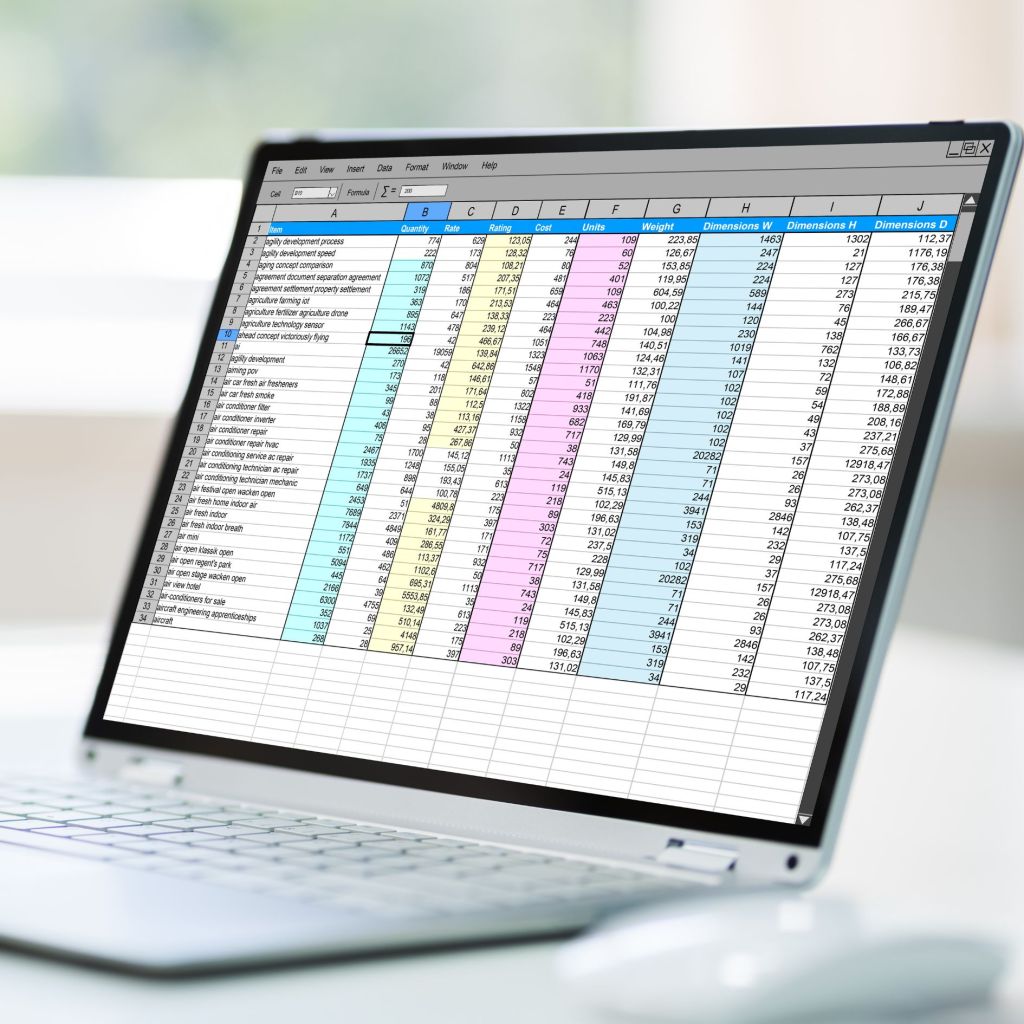
The key to maintaining financial stability is a well-structured cash flow spreadsheet. This simple yet powerful tool helps you track income and expenses, plan for future costs, and ensure your business remains profitable. In this guide, we’ll explore why a cash flow spreadsheet is essential and how to create one tailored to your interior design business.
Why is a Cash Flow Spreadsheet Important?
- Prevents Financial Surprises – A cash flow spreadsheet allows you to anticipate upcoming expenses and income, preventing unexpected shortfalls.
- Ensures Timely Payments – Keeping track of due dates for invoices, supplier payments, and staff salaries ensures smooth operations.
- Helps with Budgeting and Pricing – By understanding how money moves in and out, you can price your services and products more effectively.
- Aids in Business Growth – With better financial visibility, you can make informed decisions about hiring, marketing, and expanding your services.
- Makes Tax and Accounting Easier – Accurate records simplify tax filings and help avoid financial penalties.

How to Create a Cash Flow Spreadsheet
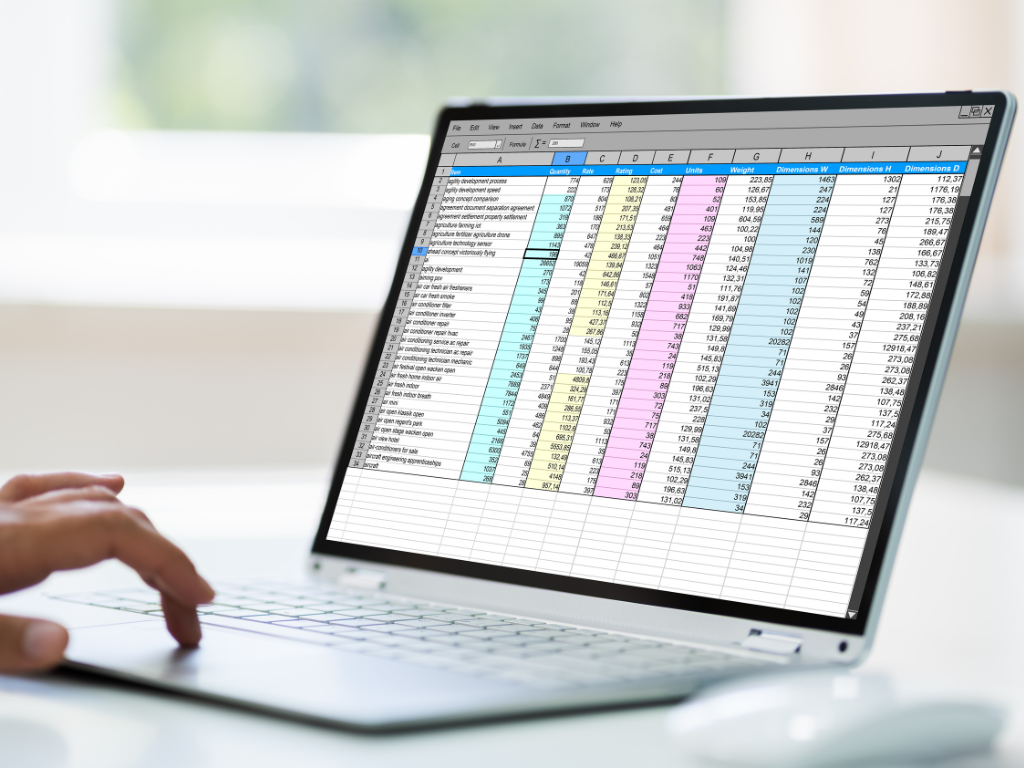
Creating a cash flow spreadsheet is easier than you think. You can use Excel, Google Sheets, or accounting software to build your template. Follow these steps:
Step 1: Set Up Your Spreadsheet Layout
Create a simple table with the following columns:
- Date – When the transaction occurs
- Description – What the income or expense is for
- Income – Payments received from clients
- Expenses – Payments made for materials, salaries, rent, etc.
- Balance – Running total of available cash
Step 2: Categorize Your Income and Expenses
List your income sources, such as:
- Client payments for design services
- Product sales (e.g., furniture, decor)
- Consultation fees
And categorize expenses, such as:
- Rent and utilities
- Salaries and wages
- Supplier and contractor payments
- Marketing and advertising
- Software subscriptions (e.g., design tools, accounting software)

Step 3: Input Data Regularly
Update your spreadsheet at least once a week to reflect payments received and expenses incurred. This habit ensures you always have an accurate picture of your financial health.
Step 4: Forecast Future Cash Flow
Use past data to predict future income and expenses. If a large supplier payment is due, ensure you have enough incoming cash to cover it. This helps prevent overdrafts or late fees.
Step 5: Analyze and Adjust
Review your spreadsheet monthly to identify patterns. Are expenses exceeding income? Are there seasonal fluctuations? Adjust pricing, reduce costs, or increase marketing efforts based on your findings.

Final Thoughts
A cash flow spreadsheet is not just an accounting tool—it’s a business survival tool. Managing cash effectively ensures your interior design business remains profitable and sustainable. Whether you’re just starting out or running an established firm, adopting this practice will help you navigate financial challenges with confidence.
If you’re not already using a cash flow spreadsheet, start today! Your business (and your peace of mind) will thank you for it.
 The True Profession of Interior Design
Leave a comment